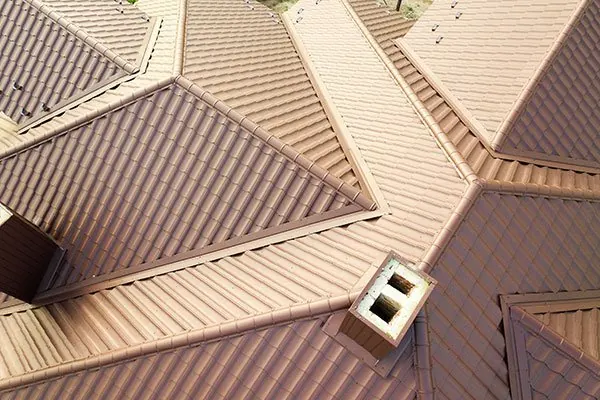
Tiled roof replacement in Melbourne
Roof Repair Melbourne VIC arranges quotes for tiled roof replacement across Greater Melbourne. The usual job is a concrete tile roof that has reached the end of its useful life: the old tiles are stripped, the frame is inspected, new battens and sarking go on, and the roof is re-laid in new concrete or terracotta tiles, or converted to Colorbond steel. Ridges, valleys, flashings and often gutters are renewed at the same time. Independent local roofing contractors do the work after a free on-site inspection.
Where these roofs come from
From the post-war building boom through to the 1990s, concrete tiles were the default roof on Melbourne's suburban houses. Cream-brick homes in the eastern and south-eastern suburbs, brick-veneer homes across the north and west, and many units built from the 1960s onwards all wear them. That means a very large number of roofs are now fifty to seventy years old, often on their original battens with no sarking.
Concrete tiles are durable, but they have a weakness: the coloured surface that sheds water erodes over time. The exposed tile then absorbs moisture, grows moss and lichen, and gradually becomes softer and more brittle. Freeze and thaw on frosty mornings in the outer east speeds that up.
Signs a tile roof is due
- Tiles crack or crumble when a roofer walks on them.
- The roof looks patchy, furry with moss, or darker after rain and slow to dry.
- Leaks show up in more than one room or keep recurring after repairs.
- From inside the roof space you can see daylight between tiles, or battens that are split, sagging or stained.
- Ridge capping has been re-pointed before and is cracking again.
If only one or two of these apply, a roof restoration or a targeted repair may be all that is needed.
Re-tile or convert to steel?
| Question | Staying with tile | Converting to steel |
|---|---|---|
| Weight on the frame | Similar to the existing roof | Much lighter |
| Sound in heavy rain | Quieter | Louder without a blanket |
| Look in the street | Matches older homes | More modern, many colours |
| Speed of installation | Slower | Faster |
| Long-term upkeep | Ridges and pointing to maintain | Screws and flashings to check |
Neither answer is wrong. The right one depends on your street, your budget and what you want from the roof. Our Colorbond versus tile guide goes into detail, and the price guide gives 2026 planning bands for both.
Details that separate a good tile roof from a tired one
Battens and spacing. New tiles have their own batten gauge. A careful roofer replaces battens rather than forcing new tiles onto old spacing.
Sarking. A layer of sarking under the tiles catches wind-driven rain and dust and is standard on new work. On a replacement it is the cheapest point at which to add it.
Ridge capping. Traditional bedding and pointing works well when done properly. Mechanically fixed dry ridge systems are another option. Ask which is quoted and why.
Ventilation. Tile roofs breathe through their joints, and adding sarking changes that. Read our roof ventilation guide if condensation or a hot roof space is a concern.
Before you sign
Ask for the tile range and colour in writing, how the old tiles will be disposed of, what happens if rotten timber is found, and how the house will be kept dry overnight. If the roof plumbing (valleys, flashings, gutters) is part of the job, check the person doing it is registered for that work. We ask the contractors we work with to hold the registrations and insurance the job needs; ask to see them.