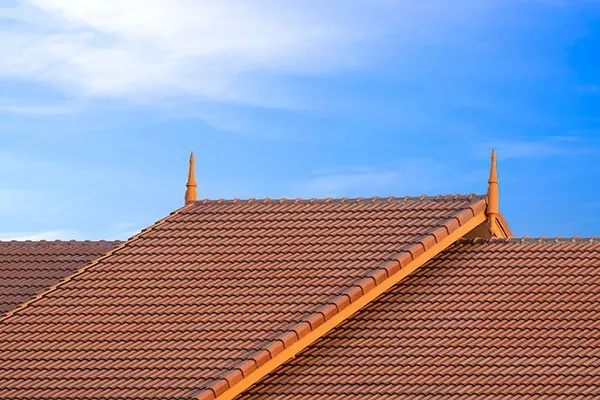
Terracotta roof replacement in Melbourne
Roof Repair Melbourne VIC arranges quotes for terracotta roof replacement and re-laying across Greater Melbourne. Clay tile roofs are common on Californian bungalows, inter-war villas and Federation-style homes, and many are still on their original battens. The usual work is lifting the tiles, replacing battens and adding sarking, re-laying the sound tiles with new or recycled ones to fill gaps, and re-bedding the ridges. Where the tiles themselves have failed, the roof is replaced outright. Independent local roofing contractors carry out the work after a free on-site inspection.
Why clay roofs are different
Terracotta is fired clay, so its colour runs right through the tile rather than sitting on the surface. A well-made clay tile can last a very long time. What usually gives out first is everything around it: the hardwood battens, the mortar under the ridges, the valley irons and the flashings at chimneys and walls. On many older Melbourne homes there was never any sarking, so every slipped tile becomes a drip on the plaster.
That makes terracotta jobs a question of salvage as much as replacement.
Three ways the job can go
Repair
Replacing a handful of cracked or slipped tiles, re-pointing a ridge, renewing a rusted valley. Suits roofs where the battens are sound and faults are isolated. See roof repairs.
Lift and re-lay
All tiles are lifted and stacked, battens replaced, sarking added, and the tiles re-laid with the shortfall made up. It keeps the original character of the house and improves weather resistance a great deal. It is labour-heavy, and handling always breaks some tiles.
Full replacement
When tiles are laminating, flaking or crumbling across the roof, salvage is not worth the labour. New terracotta, concrete tile or steel goes on instead. Our re-roofing page explains the full process.
Heritage and streetscape
Many of Melbourne's older suburbs sit under Heritage Overlays in the local planning scheme. Where an overlay applies, a change in roof material or colour visible from the street may need a planning permit, and council may expect clay tiles to be kept. Check with your council's planning department, or ask the contractor to confirm, before ordering materials. Our guide to council approval for a roof covers this.
Weather points for clay roofs
- Wind-driven rain behind winter cold fronts finds its way under loose and slipped tiles. Sarking is the main defence.
- Leaf litter from gums and street trees fills valleys and gutters on bungalow roofs with their wide eaves and multiple valleys.
- Frost on clear winter mornings can open up tiles that already absorb water.
- Hail cracks clay tiles; after a hailstorm, a careful check from a ladder or drone is safer than walking a fragile roof.
Before you sign
Ask how many tiles the contractor expects to save and what happens if the count falls short. Ask where salvaged tiles will be stored, what sarking and battens are proposed, and how the ridges will be finished. If valleys, flashings or gutters are being renewed, those are roof plumbing items and should be done by a registered roof plumber. We ask the contractors we work with to hold the registrations and insurance their job needs; ask to see them. Planning prices are in the 2026 price guide.